


How to Enjoy Hoppy Beers Without Forcing It

That first sip of a heavily hopped IPA can be a surprise. One person gets grapefruit, mango and pine; another gets a mouthful of bitterness and wonders what all the fuss is about. Both reactions are fair. Learning how to enjoy hoppy beers is not about training yourself to like the strongest, sharpest pint on the menu. It is about finding the hop character that suits your palate, then drinking it in a way that lets the beer show its best side.
Hops bring bitterness, aroma and flavour to beer. Depending on the variety and when it is added during brewing, they can taste and smell like citrus peel, tropical fruit, fresh herbs, flowers, resin, berries or a hint of spice. That range is why hoppy beer is worth exploring. It is not one flavour, and it is certainly not just bitterness.
Start with flavour, not bitterness
If you are new to hop-forward beer, skip the temptation to begin with the highest ABV or the most intimidatingly bitter double IPA. More hops do not automatically mean more enjoyment. A well-made pale ale, session IPA or modern lager with a bright hop profile can be far more inviting.
Look for descriptions such as citrus, peach, passionfruit, melon or floral. These often signal an aromatic, fruit-led style that feels approachable even when there is some bitterness underneath. A hazy IPA can be a useful starting point too: it often has a softer texture and a fuller fruit character, though it can still be deceptively strong.
If you prefer crisp, dry drinks, try a West Coast-style pale ale or IPA. Expect clearer bitterness, pine, grapefruit and a clean finish. If you usually reach for wheat beer or a softer pale pint, a juicy pale ale or hazy IPA may feel more natural. There is no correct route in, only a better next beer for your taste.
How to enjoy hoppy beers at the right temperature
Very cold beer hides aroma. That can be useful for a straightforward lager on a warm day, but it can make a carefully hopped beer seem muted and bland. Let a hoppy pint sit for a few minutes before deciding what you think of it, especially if it has just arrived frosty from the tap.
You do not need to warm it in your hands or treat it like a formal tasting. Simply give it a little time. As the beer relaxes, the aroma becomes clearer and the flavours separate: perhaps orange zest first, then a soft mango note, then a drying bitterness at the end.
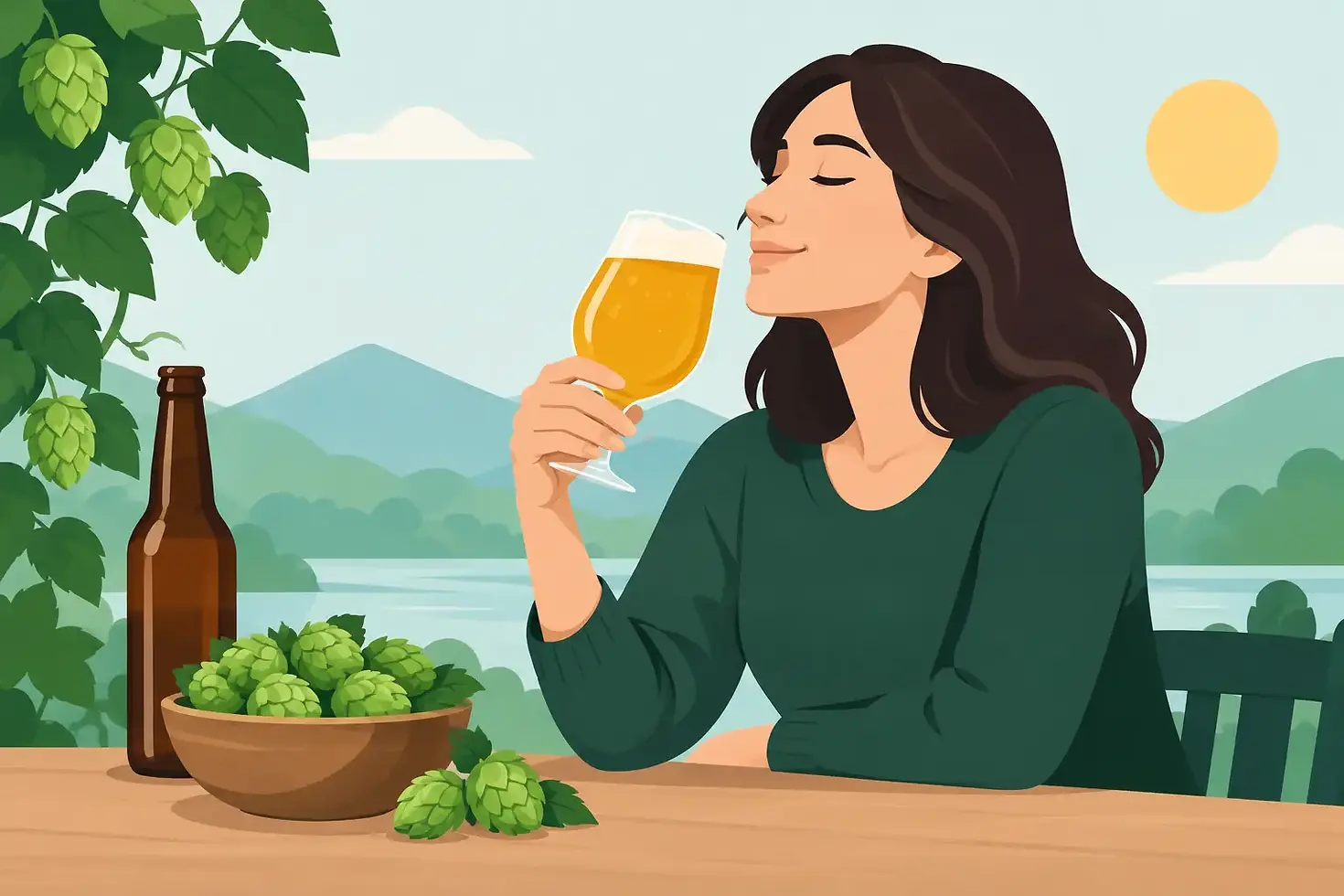
Glassware helps, too. A clean glass with room above the beer gives those aromas somewhere to gather. Take a quick smell before your first sip. It may sound like a small ritual, but your nose does much of the flavour work. If you go straight in after eating something spicy or smoking outside on a busy night, subtle hop notes can easily get lost.
Take smaller sips and notice the finish
Big gulps work brilliantly for a light, thirst-quenching lager. Hoppy beers usually reward a slightly slower pace. Take a smaller sip, let it move across your tongue, then notice what happens after you swallow.
The beginning may be soft, fruity or bready from the malt. The middle can bring orange, grapefruit, pineapple or a leafy herbal edge. The finish is where bitterness often arrives. It may be brief and clean, or it may linger with piney, resinous character. Once you start noticing this sequence, bitterness feels less like an interruption and more like part of the structure.
A useful question is not, “Is this bitter?” Nearly every hop-forward beer will be bitter to some degree. Ask instead: “Is the bitterness clean, balanced and enjoyable?” A sharp finish can be refreshing after a rich snack; the same beer may feel harsh if you are tired, hungry or expecting something sweet.
Match the style to the moment
Context changes taste more than people expect. A crisp, dry IPA can be ideal for a sunny afternoon or the first round with friends. A soft, juicy pale ale suits a relaxed table and easy conversation. A stronger double IPA is usually better as a slower late-evening beer, perhaps shared or enjoyed after food rather than on an empty stomach.
Freshness matters as well. Hop aroma fades over time, so bright, aromatic beers tend to be at their most expressive when they are fresh and well kept. A rotating tap list is valuable because it gives you a better chance of trying beer in its intended condition rather than choosing the same familiar option every time.
At The Banshee Riga, that is part of the appeal of a changing draft selection: you can start with a half pint, ask what is drinking particularly well, and follow your own taste rather than a style label. A good bar team should be happy to point you towards something fruity, crisp, bitter, low-strength or a little more adventurous.
Use food to make hops shine
Food pairing is not about making a meal complicated. The right bite can round off bitterness, pull out fruity notes and make a hoppy beer feel more complete. Salty foods are particularly good partners because salt softens the perception of bitterness and keeps you reaching for the next sip.
Think golden fried snacks, chips, salty nuts or a well-seasoned burger. The carbonation cuts through richness, while the hop character refreshes the palate. A citrus-led IPA can work beautifully with fish, grilled chicken or dishes with a little chilli. The beer’s fruit notes echo the food, while bitterness keeps the combination from becoming heavy.
There are trade-offs. Very sweet desserts can make a dry IPA taste more bitter and less balanced. Delicate dishes may disappear beside an aggressive double IPA. If the food is fiery, a heavily bitter beer can amplify the heat for some drinkers, although a hazy, fruit-forward IPA often copes better. When in doubt, choose a beer with moderate strength and a softer finish.
Do not confuse strength with quality
The world of hoppy beer can make high numbers seem impressive: higher ABV, more IBUs, more dry-hopping, more everything. But a 4.5% pale ale can be every bit as characterful as a 9% imperial IPA, and often easier to enjoy over an evening.
IBU figures, which measure bittering potential, are only a rough clue. Perceived bitterness depends on the malt base, residual sweetness, alcohol, carbonation and the hop varieties used. Two beers with similar numbers can taste completely different. Treat the label as a conversation starter, not a scorecard.
If you are exploring, pace yourself. Try a smaller serve, drink water alongside it and avoid jumping straight from a light lager to the most intense beer available. Your palate adapts quickly, but it also gets fatigued. After a very bitter beer, the subtler one that follows may seem quieter than it really is.
Find the hop notes you actually like
The easiest way to develop your taste is to remember a few simple preferences. Perhaps you enjoy orange and tangerine but dislike dank, resinous notes. Maybe you love tropical aroma but want less bitterness, or perhaps the dry snap of grapefruit is exactly what you came for. These are useful details to share when ordering.
Over time, common hop descriptions become less abstract. Citrus may mean lemon zest, orange marmalade or sharp grapefruit. Tropical can mean mango, lychee, pineapple or ripe peach. Herbal and grassy notes can feel fresh and elegant in the right beer, while pine and resin bring a more classic, bitter edge. None is objectively better. The pleasure is in recognising the direction that makes you want another sip.
It also helps to compare rather than judge in isolation. Trying two different pale ales over separate visits, or sharing a small tasting selection with friends, reveals more than chasing one supposedly perfect IPA. Keep the mood light. Beer knowledge should make a night out more enjoyable, not turn it into homework.
The best hoppy beer is not necessarily the loudest one on the board. It is the fresh, well-poured pint that fits your palate, your food and the company around your table. Start curious, order with a little intention, and give your taste buds permission to change their mind.


Comments