


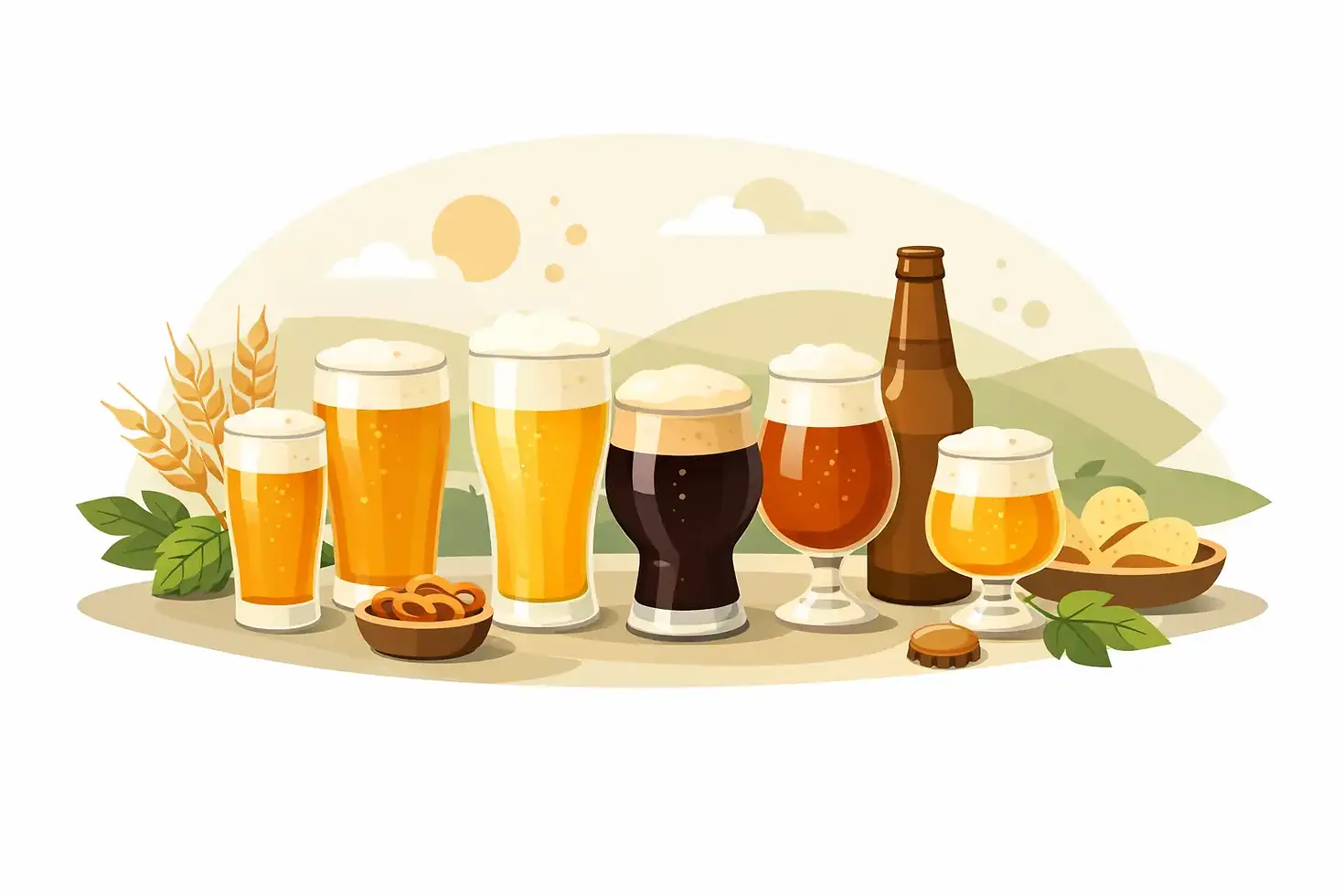
7 Best Beer Styles for Beginners

Ordering your first proper craft beer can feel oddly high stakes. You want something with character, but not a pint that tastes like a dare. If you have been wondering about the best beer styles beginners should try, the good news is that beer is far more approachable than it sometimes looks on a tap list.
The trick is not to start with the loudest style in the room. You do not need the bitterest IPA, the darkest stout, or the sourest wild ale to “get into beer”. A better starting point is balance - styles with clear flavour, gentle bitterness, and enough personality to show why craft beer is worth exploring in the first place.
What makes the best beer styles for beginners?
For most people, beginner-friendly beer has three things going for it. It is easy to read on the palate, it does not punish you with extremes, and it gives you a sense of what you actually enjoy. That matters because “beginner” does not mean bland. It simply means a style gives you a fair introduction without demanding too much too soon.
Bitterness is often the biggest hurdle. Many first-time drinkers assume they dislike beer, when really they just started with something aggressively hopped. Temperature, glassware, carbonation, and even what you have eaten all change the experience too, so one disappointing pint should not decide your whole relationship with beer.
A good first beer should feel welcoming. It might be crisp and light, soft and fruity, or smooth and lightly malty. The point is not to tick a box. It is to find a style that makes you want another sip.
1. Pilsner
If you like clean, refreshing drinks, pilsner is one of the safest and smartest places to begin. A good pilsner is bright, crisp, and lightly bitter, with a dry finish that keeps it feeling fresh rather than heavy.
This is often the gateway for people moving from familiar lagers into more flavourful beer. You still get that easy-drinking quality, but with a sharper hop character and more definition. Expect notes of bread, herbs, floral hops, and a neat snap at the end.
The trade-off is that pilsner can seem simple if you are chasing bold flavours. But for beginners, simple is often exactly the point. It teaches your palate what balance tastes like.
2. Helles Lager
Helles is softer than pilsner and usually less bitter, which makes it ideal if you want a smooth introduction. It has a gentle malt sweetness, a clean body, and just enough hop presence to stop it feeling flat.
This is a style for people who say they want something “easy” but still want quality in the glass. It is polished, relaxed, and very drinkable. If pilsner feels a little too snappy, helles often lands better.
Because it is subtle, freshness matters. A great helles feels effortless. A poor one can feel forgettable. When it is done well, though, it is one of the most reliable answers to the question of best beer styles beginners can try.
3. Wheat Beer
Wheat beer is where many non-beer drinkers suddenly realise beer can be soft, aromatic, and genuinely refreshing. Depending on the style, you might find notes of banana, clove, citrus, or light spice, with a smooth mouthfeel and lively carbonation.
German hefeweizen is a classic example. It is cloudy, expressive, and low in bitterness, which makes it approachable even for people who usually choose wine or cocktails. Belgian-style witbier goes in a slightly different direction, often showing orange peel and coriander for a lighter, zippier feel.
The only caveat is texture. Some beginners love that fuller, silky body straight away, while others prefer something cleaner. If crisp lagers feel too lean and IPAs feel too sharp, wheat beer can be the sweet spot.
4. Pale Ale
Pale ale is a great next step once you are ready for more hop character without going all-in on bitterness. It usually brings citrus, stone fruit, light pine, or floral notes, backed by enough malt to keep things balanced.
This is the style that often turns curiosity into genuine interest. It smells vivid, tastes layered, and still feels approachable. Compared with many IPAs, pale ale is less intense and easier to read, which makes it a far better starting point for most people.
It is worth saying that pale ale is a broad church. Some are crisp and almost lager-like, while others are softer and fruitier. If one does not click, another might. That flexibility is part of the appeal.
5. Session IPA
IPA has a reputation for being the style everyone must eventually graduate to, but standard or double IPAs can be a rough introduction. Session IPA makes far more sense for beginners because it keeps the aroma and flavour of hops while dialling down the alcohol and, often, the heaviness.
A good session IPA can taste of grapefruit, tropical fruit, peach, or fresh-cut citrus, with a lighter body and a more relaxed finish than stronger versions. You get the excitement of modern hops without feeling like you are chewing on bitterness.
That said, it still depends on the brew. Some session IPAs are very easy-going; others lean surprisingly sharp. If you are hesitant, ask for one that is known for fruit-forward flavour rather than resin or bitterness.
6. Amber Ale
Amber ale deserves more love as a beginner style. It sits in a comfortable middle ground, offering caramel, toasted bread, light nuttiness, and a touch of hop bitterness without pushing too far in any direction.
For drinkers who find pale beers too thin but dark beers too intense, amber ale can be the answer. It has warmth and flavour, but usually remains smooth and accessible. It also pairs very well with food, which helps if you are easing into beer over a meal or a long evening with friends.
The style can vary from sweeter to drier, so expectations matter. If you enjoy rounded, malty drinks more than crisp, bitter ones, amber ale is a strong place to start.
7. Milk Stout or Smooth Stout
Dark beer intimidates a lot of people for no good reason. Colour suggests heaviness, but some of the easiest-drinking beers on a menu are stouts. A milk stout or smooth stout can offer coffee, cocoa, soft roast, and a creamy texture with surprisingly low bitterness.
This is a particularly good option for people who like espresso, dark chocolate, or richer cocktails. You are getting depth rather than aggression. Done well, stout feels comforting, not challenging.
Of course, not every stout is beginner-friendly. Dry Irish stout is more roasty and lean, while imperial stout can be stronger, sweeter, and much more intense. If you are new to the style, ask for something smooth rather than something big.
Best beer styles for beginners by taste preference
If you normally order crisp, refreshing drinks, start with pilsner or helles. If you like aromatic, fruit-led flavours, pale ale, session IPA, or witbier will probably make more sense. If you lean towards richer choices like coffee-based cocktails or desserts, a smooth stout may surprise you in the best way.
This is where trying beer becomes much easier. Instead of asking for the “best” beer overall, ask for the one that suits your usual taste. Beer is not a test. It is closer to music - people like different things, and that is the whole point.
A few styles to leave until later
There is no need to begin with heavily bitter West Coast IPAs, intensely sour beers, smoked beers, or very high-strength stouts. Those styles can be brilliant, but they are more likely to confuse than convert if your palate is still getting used to beer.
That does not make them bad choices forever. It just means timing matters. Once you know whether you enjoy bitterness, malt sweetness, roast, or acidity, these bigger styles become much more enjoyable.
How to order your first beer with confidence
A little context goes a long way. Instead of choosing by name alone, think in terms of what you want the beer to feel like: crisp, fruity, smooth, light, or rich. Those words are useful in any good bar, especially one with a rotating list where staff can steer you towards something that fits rather than something fashionable.
Trying a smaller pour is also a smart move. It lets you compare styles without committing to a full pint that may not suit you. In a place built around discovery, such as The Banshee Riga, that is part of the fun rather than a sign you do not know what you are doing.
The best starting beer is the one that makes you curious enough to try the next one. Follow your palate, not the hype, and beer opens up very quickly from there.



Comments